Our Research
Related News & Stories
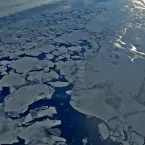
Since 1978, Arctic sea ice extent has declined and ice cover has thinned, as reported in a new publication in the Annals of the New York Academy
In January 2019, a pattern of high-altitude winds in the Arctic, better known as the polar vortex, weakened, sweeping frigid air over North America and Europe in the second half of the month.
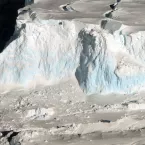
As 2018 came to a close, Arctic sea ice extent was tracking at its third lowest level in the satellite record, while sea ice in the Antarctic remained at historic lows.
As of January 1, 2019, Antarctic sea ice extent had experienced several days of record lows.
The Arctic freeze-up season is well underway, with ice extent increasing faster than average for most regions in November. Exceptions were in the Chukchi and Barents Seas, where the ice has been slow to form.