News & Stories
As Earth’s frozen regions change rapidly, NSIDC is committed to growing its research and open access data to better understand these changes. Read about NSIDC research and its contribution to science and policy making. Check out spotlights on how to use NSIDC data, tools, and resources. Learn about how we steward data and collaborate with scientists and organizations across the world to understand how the frozen parts of Earth affect the rest of the planet and impact society.
News and stories
Arctic sea ice extent declined quickly in July, continuing the pattern seen in June. On August 1, ice extent was just below levels recorded for the same date in 2007, the year that saw the record minimum ice extent in September.
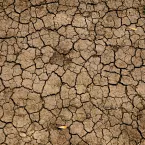
A new scientific study indicates the turn-of-the-century drought in the North American West was the worst of the last millennium—with major impacts to the carbon cycle and hints of even drier times ahead.
Arctic sea ice continued to track at levels far below average through the middle of July, with open water in the Kara and Barents seas reaching as far north as typically seen during September.
Arctic sea ice extent declined quickly in June, setting record daily lows for a brief period in the middle of the month. Strong ice loss in the Kara, Bering, and Beaufort seas, and Hudson and Baffin bays, led the overall retreat.