News & Stories
As Earth’s frozen regions change rapidly, NSIDC is committed to growing its research and open access data to better understand these changes. Read about NSIDC research and its contribution to science and policy making. Check out spotlights on how to use NSIDC data, tools, and resources. Learn about how we steward data and collaborate with scientists and organizations across the world to understand how the frozen parts of Earth affect the rest of the planet and impact society.
News and stories
Arctic sea ice extent is well below average, and large areas of low concentration ice are observed in the Beaufort Sea and along the Siberian coast. However, it is highly unlikely to set a record low at the end of this year’s melt season.
Overview of conditions
Arctic sea ice extent declined at a fairly rapid rate through the first three weeks of July, but the loss rate then slowed due to a shift in weather patterns.
Arctic sea ice extent continued a rapid retreat through the first two weeks of July as a high pressure cell moved over the central Arctic Ocean, bringing higher temperatures.
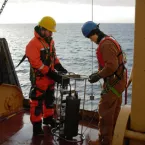
We’ve all heard it: Arctic sea ice is melting. Sea ice is thinner year to year and there is less of it. In 2007, scientists observed a nearly 50 percent loss of summer ice as compared to 1980.
Arctic sea ice extent continues its seasonal decline. Through most of June the pace of decline was near average, but increased towards the end of the month.
