
NOAA@NSIDC
Stewards of data, past and present
NOAA@NSIDC preserves data to support current and future research. Data products serve scientists engaged in research, decision makers planning activities affected by snow and ice, and members of the general public curious about the cryosphere.
The continued operation of NOAA@NSIDC and security of archived data over the long term depends on the continuation of federal funding for our work as part of NSIDC and CIRES. NOAA@NSIDC is the only archive for many of our data products.
Featured Data and Resources
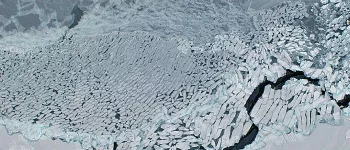
Sea Ice Index Daily and Monthly Image Viewer
See daily and monthly images of Arctic and Antarctic sea ice extent and concentration. You can also compare trends and anomalies, and create animations.

Multisensor Analyzed Sea Ice Extent - Northern Hemisphere (MASIE-NH)
See where ice analysts from the US Navy, US Coast Guard, US National Ice Center, and NOAA map Arctic sea ice now, and download a map archive dating back to 2006.

Glacier Photograph Collection
Explore an online, searchable collection of photographs of glaciers, mostly taken in the Rocky Mountains, the Pacific Northwest, Alaska, and Greenland. Dates of the photos range from the mid-1800s to the present.
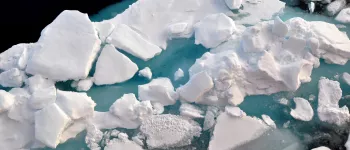
International Ice Charting Working Group (IICWG)
Formed in October 1999, IICWG is a working group of the world’s national ice services that promotes coordination of operational sea ice and iceberg information service.

International Ice Patrol (IIP)
The International Ice Patrol (IIP) has monitored North Atlantic iceberg activity since 1913. Led by the US Coast Guard, the IIP assesses iceberg danger to shipping and provides warning products to the maritime community. IIP products archived wi

Seasonal Antarctic Sea Ice Extent Reconstructions, 1905-2020
Reconstructed seasonal Antarctic sea ice extent with uncertainty estimates and metadata put current variations in historical context. The data are given by season for five geographic sectors as well as for the entire Antarctic.